Football Trials for Kids: How to Prepare
What happens at a football trial, what coaches look for, and how to help your child prepare: training, kit, food, nerves, and what to do if they don't get in.

Short answer: the best preparation for a football trial is lots of ordinary football in the weeks before, a good night's sleep and a light meal on the day, and a child who knows that trying hard matters more than being perfect. Coaches at trials are rarely looking for the player who scores the most. They watch how a child moves, decides and reacts to mistakes. This guide explains what happens at a trial, what coaches look for, and how you can help your child give their best.
What happens at a football trial?
It depends on who is running it. There are two main kinds.
Grassroots club trials
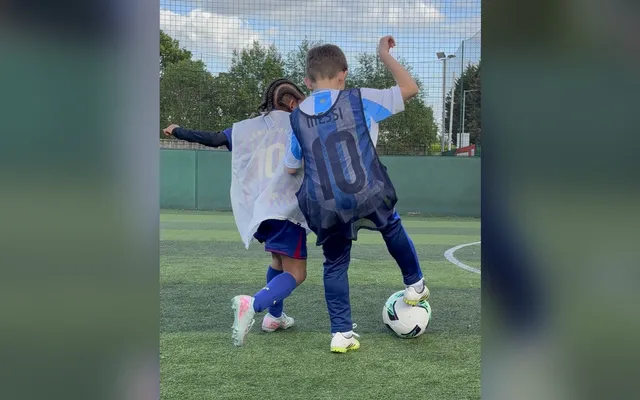
Local clubs hold trials when they have spaces in a team, often towards the end of the season as they plan squads for September, and sometimes mid-season when a player leaves. A typical trial is one or two training sessions with the team. Your child joins the warm-up, takes part in a few drills and then plays in small-sided games or a practice match while the coach watches. Some clubs invite a child back for a second look before deciding.
Academy trials
Professional academies usually invite children to trial after a scout or coach has seen them play, rather than holding open days. A trial can run over several weeks, with the child training alongside the academy group and sometimes playing in a fixture. Academies can formally register players from Under 9s, so trials for younger children are usually linked to a club's development centre or pre-academy group.
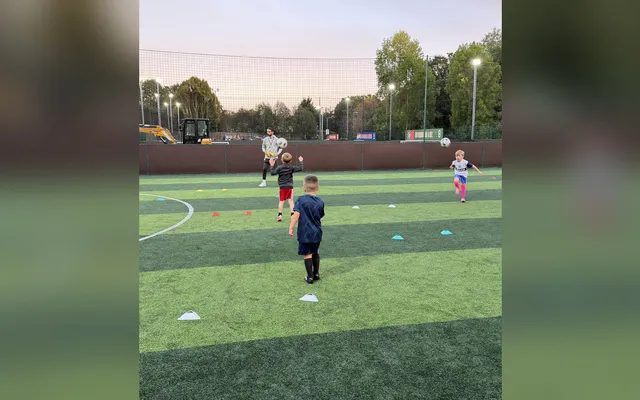
Both kinds follow a similar pattern: a warm-up, some technical work, then games. The games are where most of the watching happens.
What do coaches look for at a trial?
Parents tend to watch goals, speed and fancy skills. Coaches watch a longer list, and most of it isn't on the scoresheet:
- First touch. Does the ball stop where your child wants it, or do they have to chase it?
- Awareness. Do they look around before the ball arrives, so they already know where the next pass is going?
- Decisions. Do they pass, dribble or shoot at the right moments, or do they always do the same thing?
- Reaction to mistakes. After losing the ball, do they sulk, or do they chase to win it back?
- Coachability. When the coach gives a pointer, does your child listen and try it in the next game?
- Communication. Do they talk to teammates, call for the ball and encourage others?
- Effort without the ball. Do they keep moving into space, or stand and wait?
Good coaches also allow for age. A child born in August can be almost a year younger than a September-born teammate in the same group. Our guide to football age groups explains why that matters, and 5 signs your child has real football potential covers the qualities that last beyond the early years.
How should my child prepare in the weeks before?
Don't cram. A trial isn't an exam, and a child who has spent a fortnight doing extra drills often turns up tired and anxious. What helps is steady, enjoyable football:
- Touches on the ball. Ten to fifteen minutes a day of passing against a wall, dribbling round cones or juggling builds the comfort that shows in a first touch. Use both feet.
- Small-sided games. Playing 3v3 or 4v4 with friends teaches quick decisions under pressure, which is exactly what trial games test.
- Fitness through play. Running with the ball, chasing games and other sports are better than laps. If your child can play hard for an hour, they're fit enough.
- Their usual training. Keep going to sessions as normal. Regular coached football is the best preparation there is.
For ideas you can do together, see our garden football games or six games for 8–12 year olds.
It also helps to talk about the trial before the day. Tell your child roughly what will happen, that there will be children they don't know, and that the coaches expect mistakes. Knowing what's coming takes away a lot of the nerves.
What should my child bring and wear?
Find out what surface the trial is on and pack for it:
- The right boots. Moulded or AG boots for 3G pitches, firm-ground boots for grass, or astro trainers for older artificial pitches. Make sure they're boots your child has worn before. A trial isn't the day for a new pair.
- Shin pads and football socks. Many clubs won't let a player join games without shin pads.
- Plain training kit. Comfortable shorts and a top in neutral colours. Your child will stand out by how they play, not what they wear.
- Layers and a waterproof for cold or wet weather, especially for evening sessions.
- A full water bottle, labelled with their name.
Take off any jewellery, tie back long hair and leave phones and watches with you.
What should my child eat before a trial?
A normal meal two to three hours before, such as pasta, a sandwich or rice with chicken, gives steady energy. If the trial is straight after school, a small snack an hour before, like a banana or a slice of toast, stops your child running out of energy halfway through. Avoid big, heavy or new foods on the day, and make sure they drink water through the afternoon, not just a gulp in the car.
Sleep matters as much as food. A child who goes to bed at the usual time the night before will think faster and recover from mistakes better than one who was up late worrying.
What should happen on the day?
- Arrive 15 minutes early. Rushing in late is the worst start. Early arrival gives time for the toilet, boots and a few touches of a ball.
- Help your child say hello to the coach. A quick "Hi, I'm Sam, I usually play in midfield" makes a good first impression and settles nerves.
- Let them go. Once the session starts, step back to wherever the other parents are watching.
- Keep the goodbye short. A thumbs-up and "Enjoy it" is enough. Long pep talks add pressure.
How can my child stand out?
Give your child three simple things to focus on. They're easy to remember and they're exactly what coaches notice:
- Talk. Call for the ball, say "man on" and praise teammates. Quiet players are easy to miss.
- Keep going after a mistake. Everyone loses the ball at a trial. The child who sprints to win it back is the one coaches remember.
- Be brave. Ask for the ball, try to beat a player, have a shot. A child who plays it safe all session gives the coach nothing to judge.
If the coach asks your child to play somewhere unfamiliar, they should give it a go without complaint. Coaches sometimes do this on purpose to see how a player adapts.
How should parents behave at a trial?
Coaches watch parents as well as players. A club is signing a family, not just a child, so how you behave on the touchline can count.
- Stay quiet during play. Instructions from the side confuse your child and annoy the coaches.
- Don't approach the coach during the session or compare your child with others.
- Keep your face relaxed. Children check their parents after every mistake.
- Ask your questions at the end, briefly: when will they decide, and how will they let you know?
What if my child doesn't get in?
Most children who go to trials aren't picked, especially for academies. It says very little about how good they'll become. Squads often have only one or two spaces, and coaches choose for many reasons, including the positions they need.
Afterwards, ask politely for feedback. Most coaches will give one or two things to work on, which is useful whatever happens next. Then let your child be disappointed for a day, and remind them what they did well. Plenty of players who are turned down at 9 or 10 grow, improve and are picked later. If confidence takes a knock, our article on why children lose confidence in football has practical ways to help.
If your child is happy at their current club, staying put is a perfectly good outcome. Playing regularly in a team that suits them is worth more than sitting on the bench in a stronger one.
Is it worth paying for a trial?
Be careful. Some private events charge families to "trial in front of scouts" or promise academy contacts. Genuine academies don't charge for trials, and they find players by watching them play. If your child is already registered with an academy, other clubs aren't allowed to approach them, so talk to your child's current club before arranging anything elsewhere. Our guide to academy vs club football explains how the academy route works.
How can regular coaching help before a trial?
The skills coaches look for at a trial, such as first touch, scanning, decisions and resilience, come from months of good coaching, not a week of cramming. That's what a football development centre is for.
At Konevych FDC there are no trials to join. Every child is welcome, and we group them by age:
- Minis, ages 4–7: first touches, balance and confidence on the ball.
- Juniors, ages 8–12: receiving, passing, 1v1s and decision-making in small-sided games.
- Teens, ages 13–17: technique under pressure, tactics and fitness, including players preparing for club or academy trials.
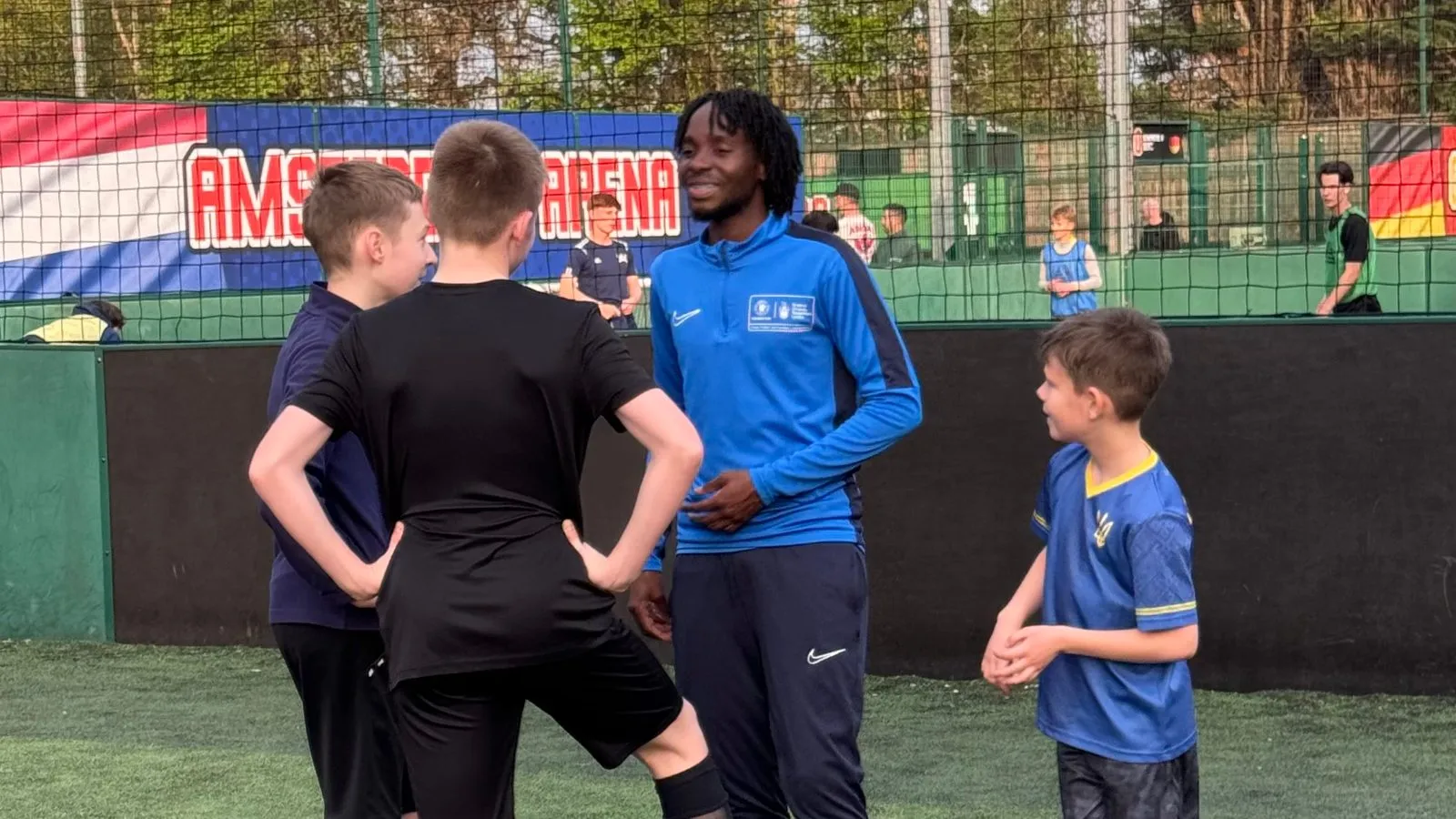
Our UEFA-licensed coaches will tell you honestly what your child does well and what to work on next. See our venues for session days and times. Your child's first session is free: book a free trial.
Sources
All checked October 2026:
- Premier League: Youth Development Rules 2025/26 (Rule 144 on inducements, Rule 290 on Under 9 registration)
Further reading: how to get into a football academy and what to expect at a free football trial.
Want to put this into practice? We run weekly sessions for ages 4–17 at Goals Tolworth. Book a free trial.